Hello. Meet Zach.

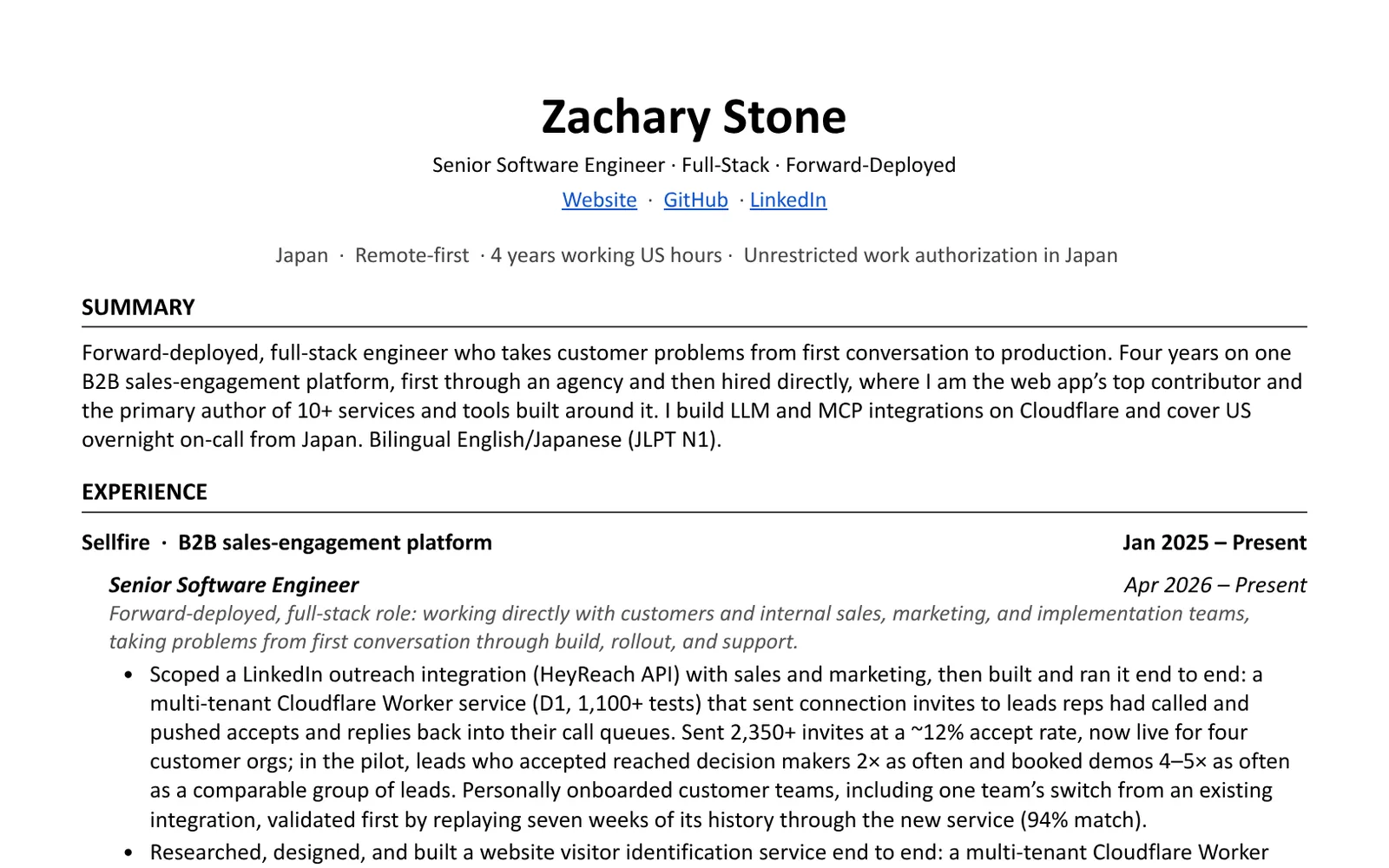
Zach Stone is a forward-deployed, full-stack engineer in Japan who takes customer problems from first conversation to production.

Pick a tab on the left to learn more.

Design inspired by the Claude app. Not affiliated with Anthropic.

About

Question: who is zach stone?

Zach is a senior software engineer working across frontend and backend. He has spent four years on one B2B sales-engagement platform, first through an agency and then hired directly, where he’s the web app’s top contributor and the primary author of more than ten services and tools built around it.

What he has built there, and what came of it, is in the Sellfire tab.
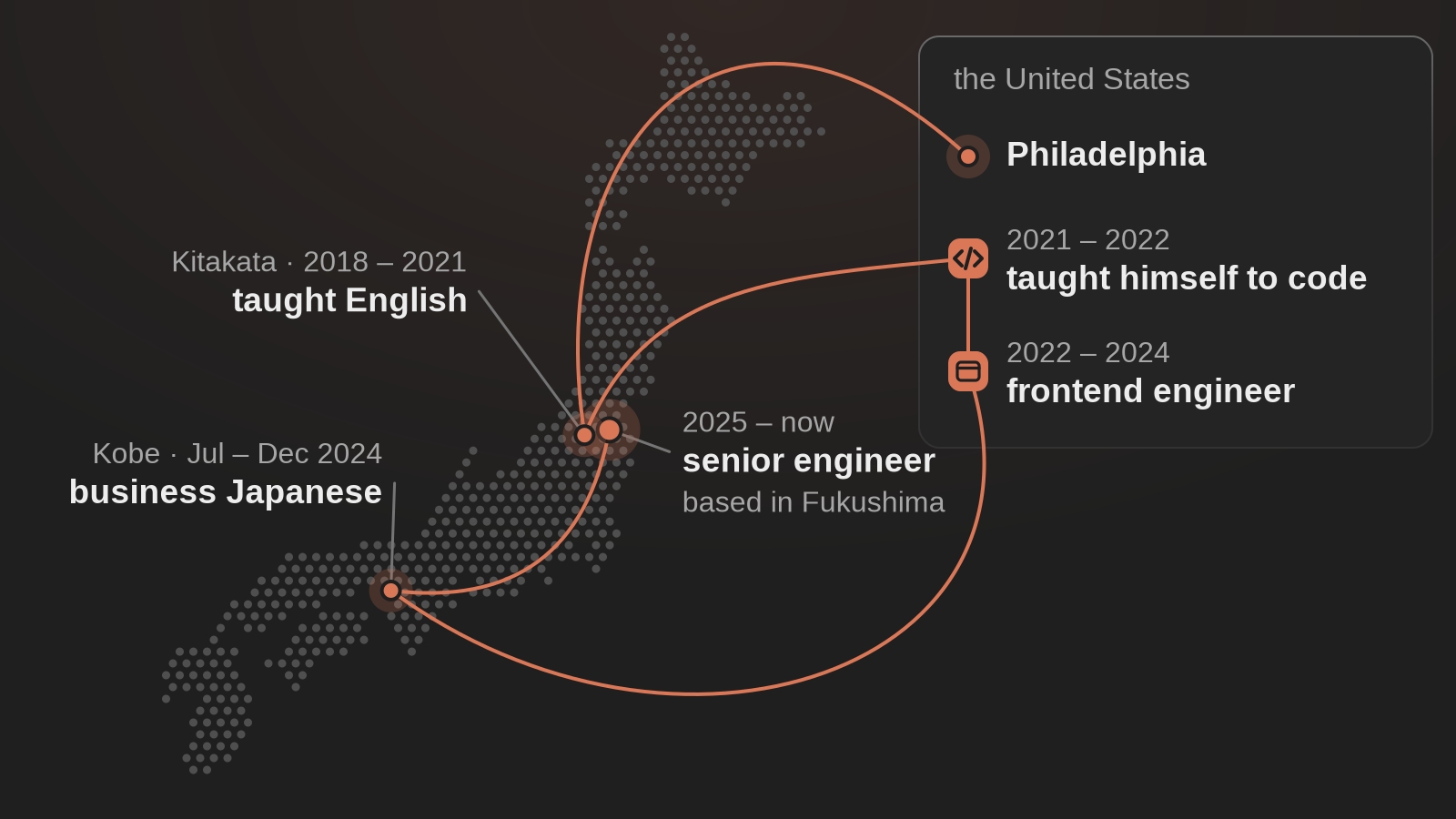
From Philadelphia to Fukushima: he taught English in Kitakata, went back to the US to teach himself to code and work as a frontend engineer, then returned to study business Japanese in Kobe.

Question: where’s he based? can he work with a US team?

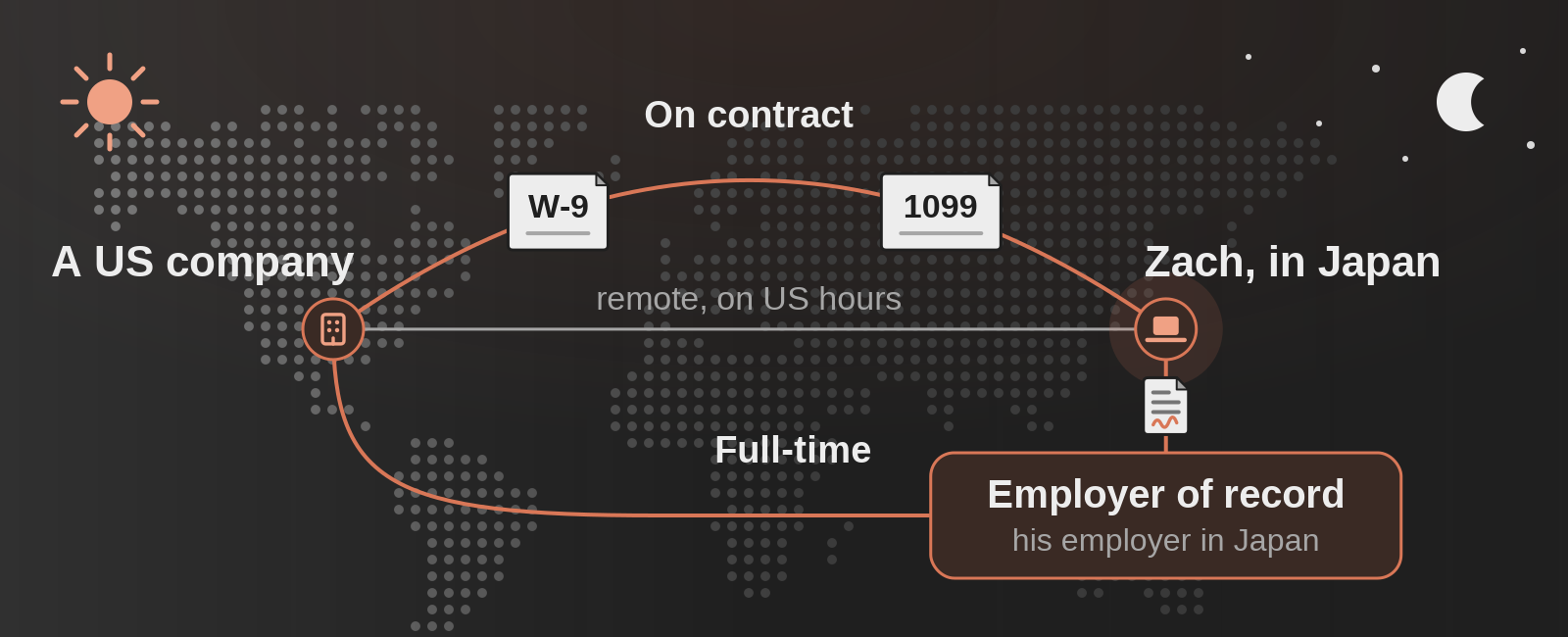
He’s based in Fukushima, Japan, works remote-first, and has worked US hours for four years. He’s a US citizen with unrestricted work authorization in Japan, so a US company can hire him full-time through an employer of record, or on contract. He works in English and Japanese (JLPT N1).

A map of Japan with Fukushima marked, in the north-east of the main island.
Two ways a US company can hire him: on contract, or full-time through an employer of record. Either way he works remotely, on US hours.

Question: what did he study?

He studied music in college, and later business Japanese. He has a BS in Music from West Chester University (2016), and completed a business Japanese course at Interculture Language Academy in Kobe (July to December 2024).

A map of the United States with West Chester marked, in the south-east of Pennsylvania near the east coast. Musical notes rise from the marker.
West Chester University, in Pennsylvania, where he studied music.

Question: what’s he like to work with?

A few things people at work have said about him:

He’s thorough and a great brainstorming partner. He is definitely a team player that cares about the success of the team.

A coworker

He crushed it yesterday grinding it out on a tricky search issue to make sure a fix got delivered same day and is ready for customers today.

A company leader

Zach took it on and got it done. Now we’re not just caught up but we’re setup well for the future!

A fellow engineer, on a Node and React upgrade

Question: is he looking for a new role?

He isn’t actively looking, but he’s always open to hearing about the right role. How a US company can hire him from Japan is earlier in this tab, and Contact has how to reach him.

Ask a follow-up…

Design inspired by the Claude app. Not affiliated with Anthropic.Zach Stone Portfolio
Sellfire

Current

Question: what does zach do at sellfire?

Read experience/sellfire.md

role.yaml✓

company:  Sellfire                  # B2B sales-engagement platform · Remote
role:     Senior Software Engineer  # Apr 2026 – Present
before:   Senior Frontend Engineer  # Jan 2025 – Apr 2026
on_call:  overnight, from Japan

He moved from frontend lead to a full-stack, forward-deployed role in an April 2026 reorg, working directly with customers and internal sales, marketing, and implementation teams, taking problems from first conversation through build, rollout, and support.

Question: what has he built there?

Project LinkedIn outreach integration

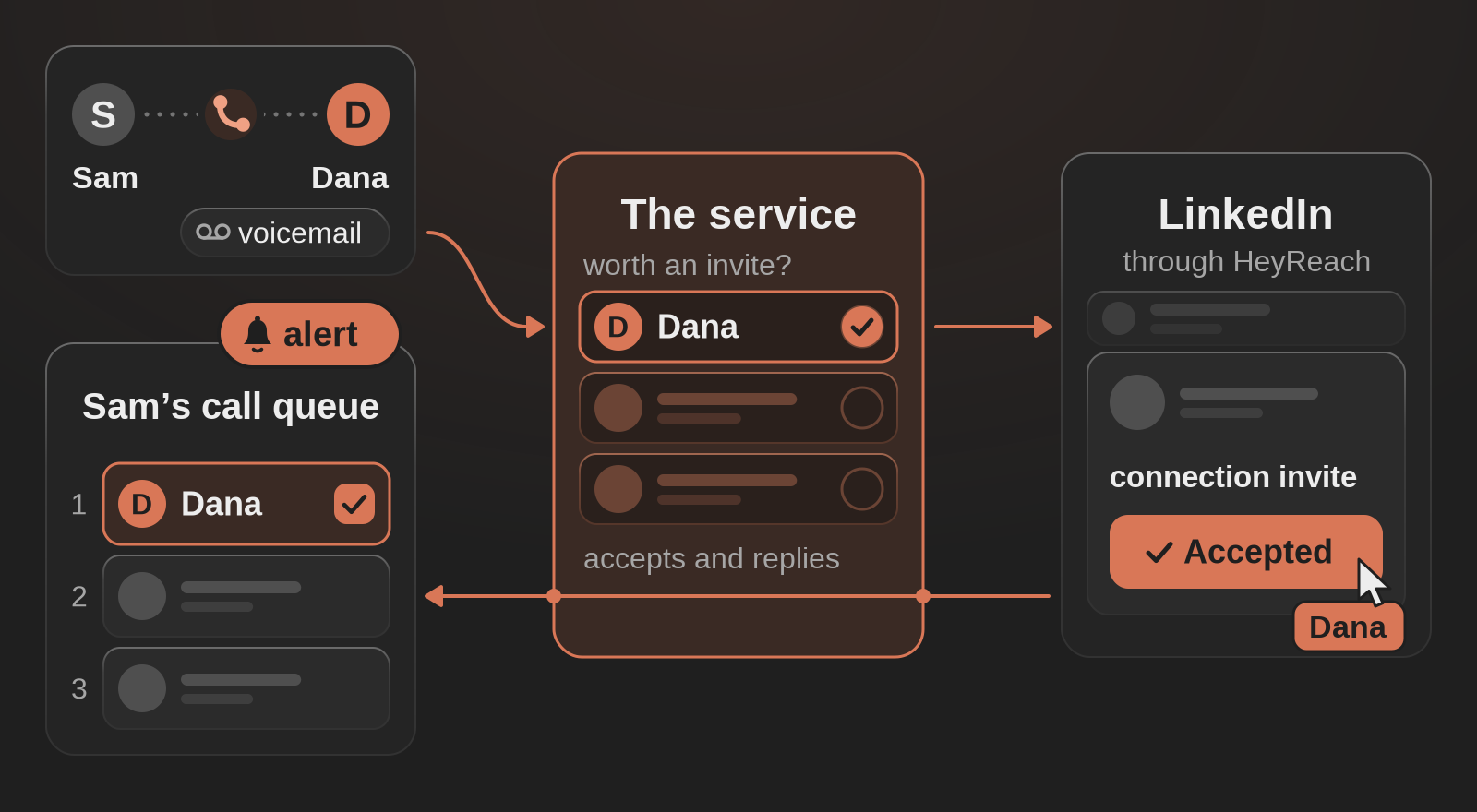
When a sales rep calls a lead, this service sends that lead a LinkedIn connection invite, then pushes accepts and replies back into the rep’s call queue. In the pilot, leads who accepted an invite were compared with a comparable group of leads: they reached a decision maker twice as often, and booked a demo four to five times as often.

He scoped it with the sales and marketing teams, then built and ran it end to end on the HeyReach API: a multi-tenant Cloudflare Worker service (D1, 1,200+ tests). It has sent 2,750+ invites, about 12% of them accepted, and is live for four customer organizations.

He onboarded customer teams himself. For one team switching from an existing integration, he first replayed seven weeks of its history through the new service to check that the two agreed, which they did 94% of the time.

A sales call leads to a LinkedIn invite, and the lead’s answer comes back to the rep’s call queue.

Project Website visitor identification

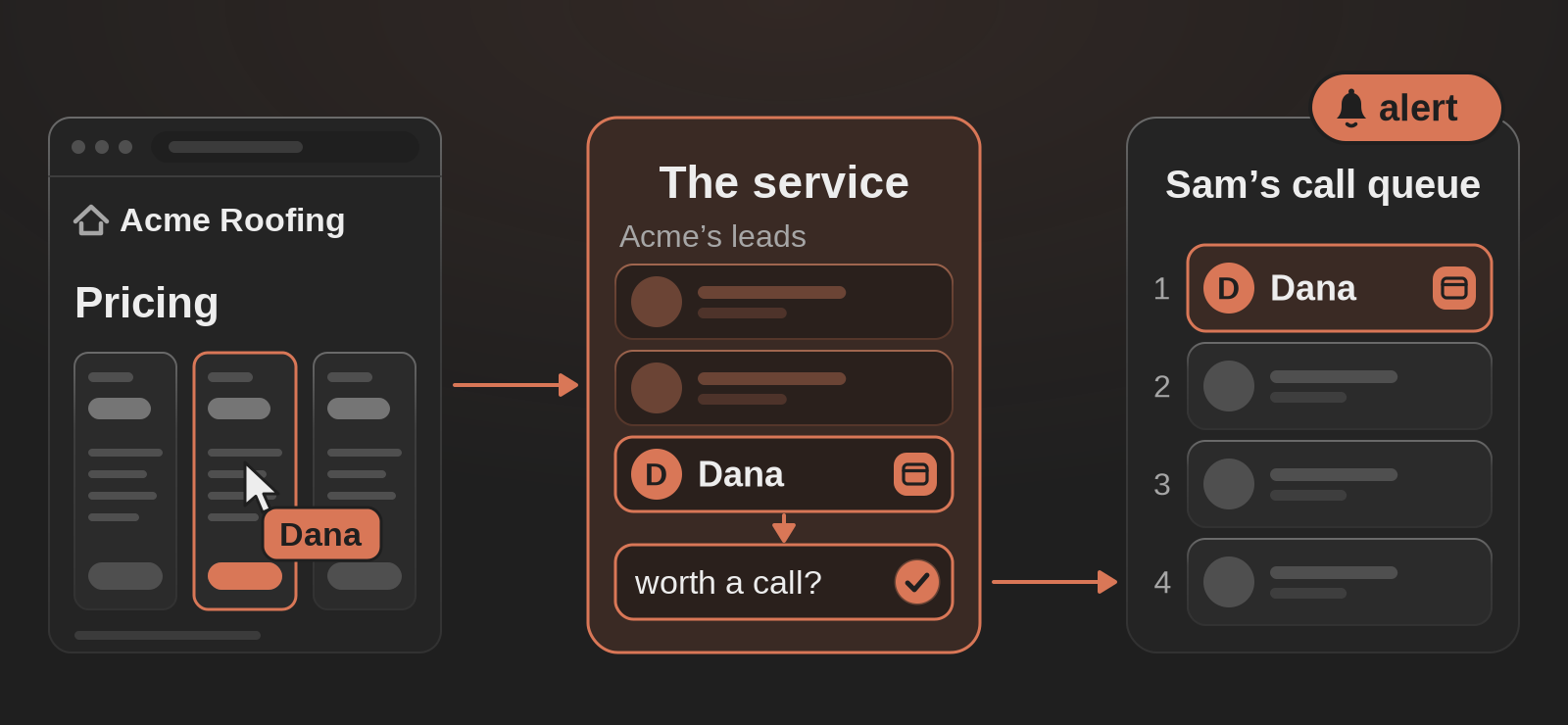
When someone who is already one of a customer’s sales leads visits that customer’s website, this service lets the lead’s rep know. It notes the visit on the lead’s record, sends the rep an alert and moves the lead up the rep’s call queue, so the call comes while the company is on the buyer’s mind.

He researched the options, wrote the plan and built it end to end: a multi-tenant Cloudflare Worker service (D1, Hyperdrive, 440+ tests) that was matching real visits in production the day after it was asked for. It’s live for the company’s own sales team and a first customer, with each feature switched on one customer at a time.

A lead’s visit to a customer’s website reaches their rep, and moves them up the call queue.

Project Call-script service and MCP server

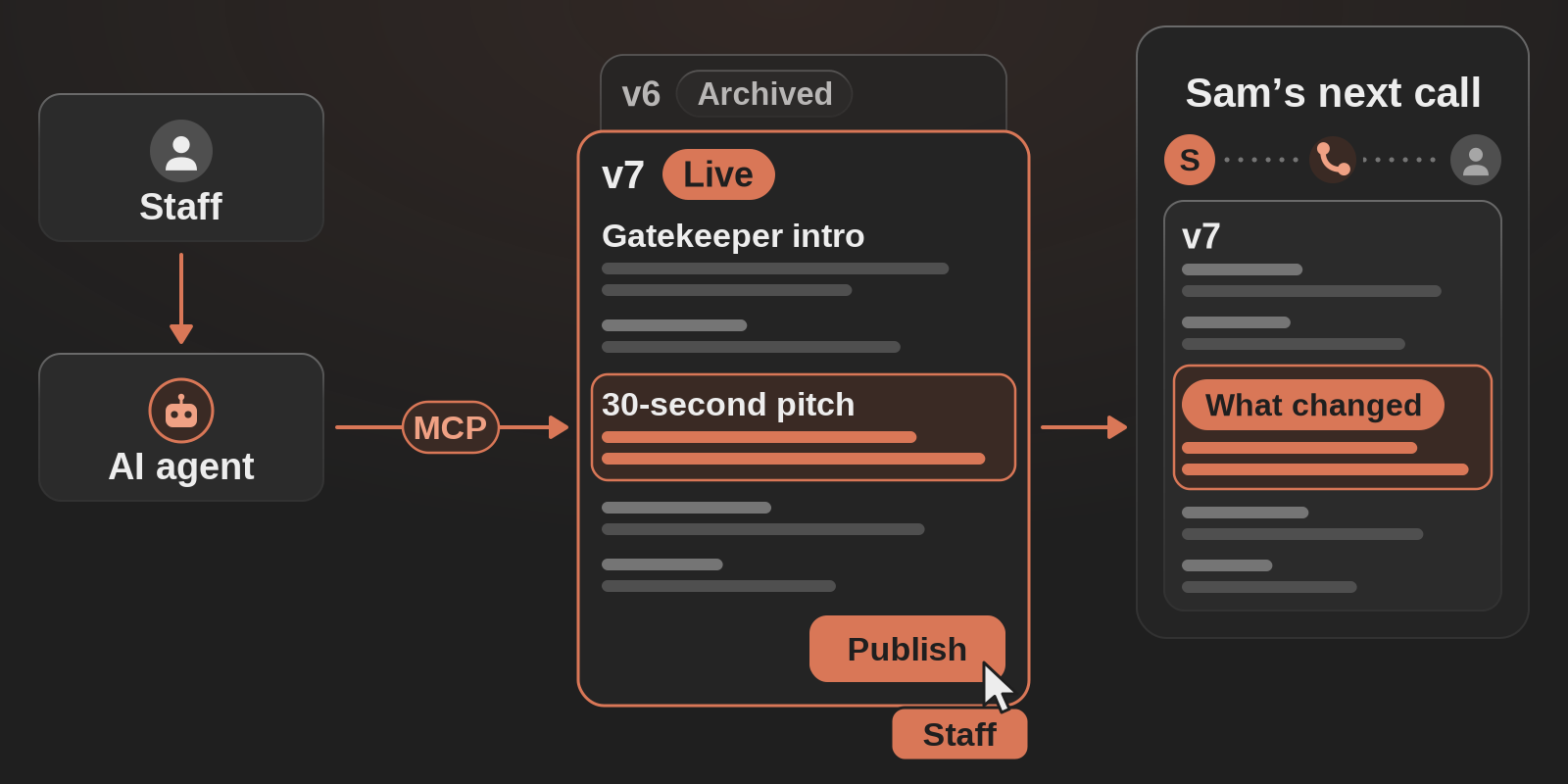
He built a standalone microservice for the scripts reps follow on sales calls (Cloudflare Workers, D1, Hyperdrive), plus a 33-tool, OAuth-secured MCP server, so staff and AI agents could publish script changes without an engineering deploy. He migrated 38 customer accounts onto it (180+ script versions) and trained sales and implementation staff to self-serve, with a rollout brief and walkthrough videos.

A script change goes from a request to a rep’s next call, with no engineering deploy.

The features are great. The MCP is working great.

A company leader, on the scripts service

Project The iPhone and Android apps

The company’s marketplace reps, independent sales reps who call businesses for its customers, needed to call from their phones. The CTO had built an iPhone app, and he took on Android, as a web engineer rather than a mobile one. With Claude Code writing the Kotlin and help from the CTO, it was on Google Play a week after he started. He now looks after both apps, and shipped two of the iPhone app’s App Store releases himself.

  • He chose native code over React Native or Flutter, since live calls and call audio needed it anyway.
  • The app is tested against 26,000+ cases recorded from the web app, so reps get the same answers on a phone.
  • Crashes go to Sentry and session replays to LogRocket, with bank, tax and ID screens never recorded.
  • A maintenance switch and an optional forced update run from the web app’s server, and never show during a call.
  • Both apps release from a git tag. The Android app had 11 releases in its first nine days.
  • A Claude Code skill he wrote ports a web change to both apps, tests it, releases them and has every rep update.
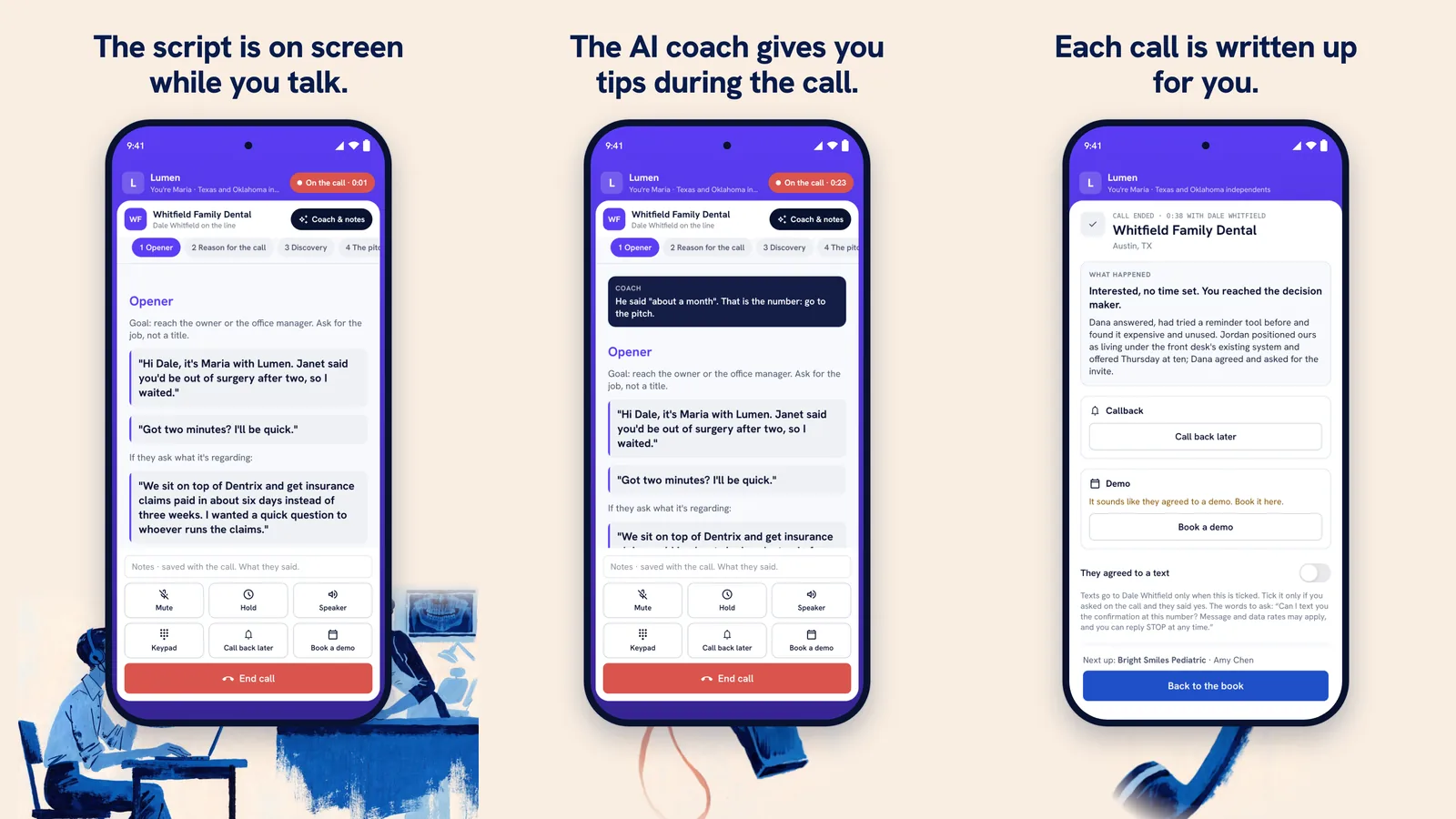
Three screenshots from the Android app’s Google Play listing, on cream paper. Left, under “The script is on screen while you talk.”: a call in progress, with the script’s opener and the call’s buttons. Middle, under “The AI coach gives you tips during the call.”: the same call, with a tip from the coach above the script. Right, under “Each call is written up for you.”: the page after the call, with a summary of what happened and buttons to call back later or book a demo.
Three screens of the Android app, from its Google Play listing: the script on a call, the AI coach’s tip, and the call written up afterwards.

Great, thanks Zach. Appreciate you pushing the iOS update tonight and getting Android out Friday.

A company leader, on the phone apps

Project AI-powered growth tools

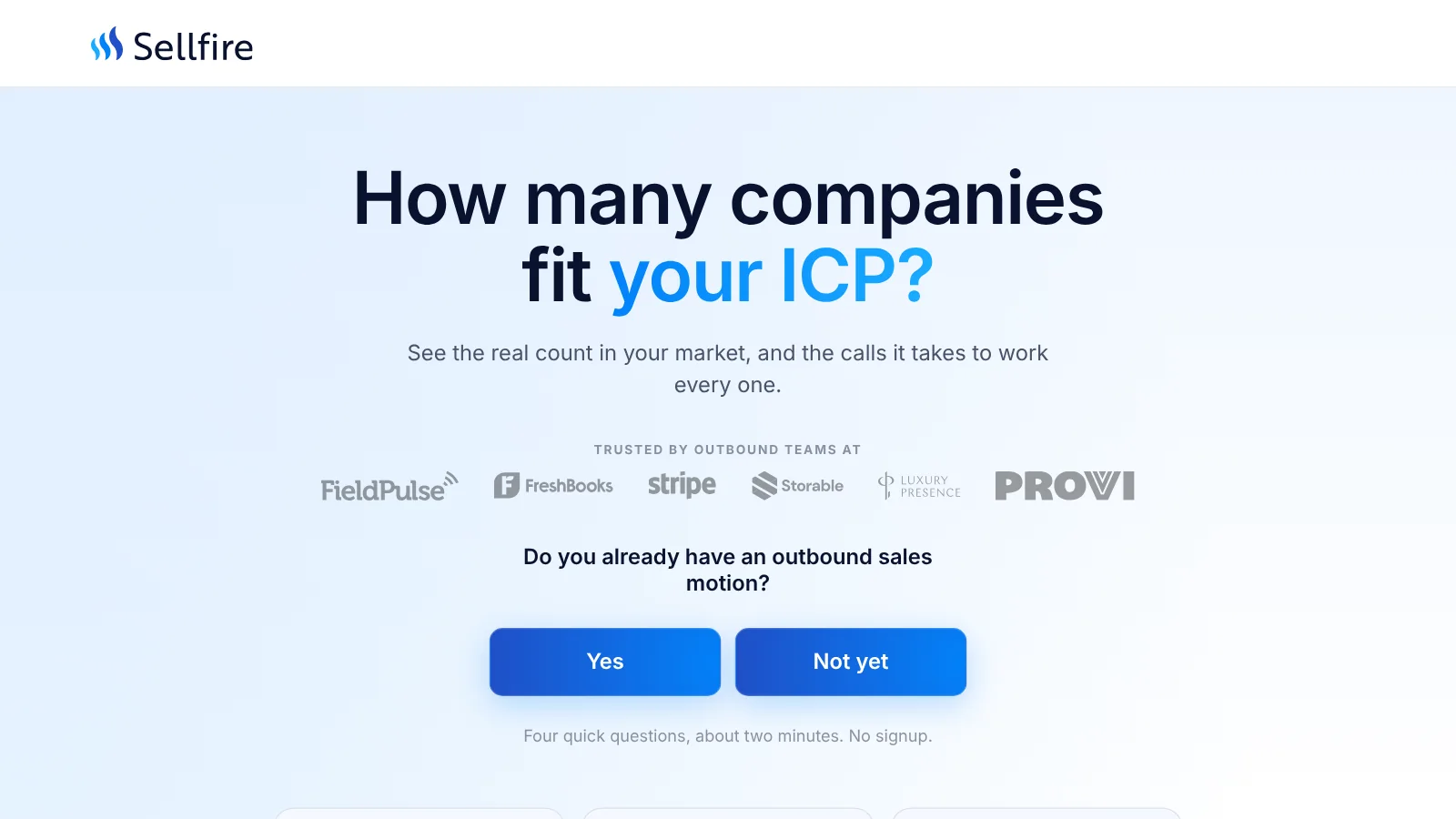
He built two tools with the CEO and marketing: a public market-sizing app that uses an LLM to analyze a prospect’s website and size its market from US Census data, which became part of the CEO’s sales-qualification process, and a cold-call script generator. Iterating from Mixpanel data tripled the share of visitors who finished a report (about 5% in the first version, 15% in the second) and cut the share who left without doing anything, the bounce rate, from about 80% to about 55%.

The market-sizing app’s first screen: the headline “How many companies fit your ICP?” over a yes-or-no question about outbound sales.
The market-sizing app’s first screen.
Visitors who finished a report
First version
about 5%
Second version
15%

Project The team’s AI-assisted workflow

He wrote 17 of the team’s 23 shared Claude Code skills (PR review, release cutting, Jira and support ticket automation, LaunchDarkly flag lifecycle) and built an hourly pipeline that AI-reviews open pull requests: 120+ reviewed in its first six weeks, catching blocking bugs before merge. With that workflow, he opened about 100 pull requests every two weeks across as many as 27 repos.

Question: anything else in the role?

  • He owns customer escalations in shared Slack channels, from first report through root cause, fix and follow-up.
  • He moved the embeddable widget and forms from Netlify to Cloudflare with zero broken customer embeds, tightened their security headers and CORS, and wired up production error monitoring and alerting.
  • He runs the weekly production-incident review with the CTO, and built an AI skill that generates it from New Relic, Cloudflare, PagerDuty, Sentry and Jira. He is the team’s dedicated overnight on-call (10 PM to 11 AM US Eastern) and co-owns nightly production deploys and reverts.

Question: and before that, as senior frontend engineer?

He was a Senior Frontend Engineer from January 2025 to April 2026.

Project React 16 → 18 migration

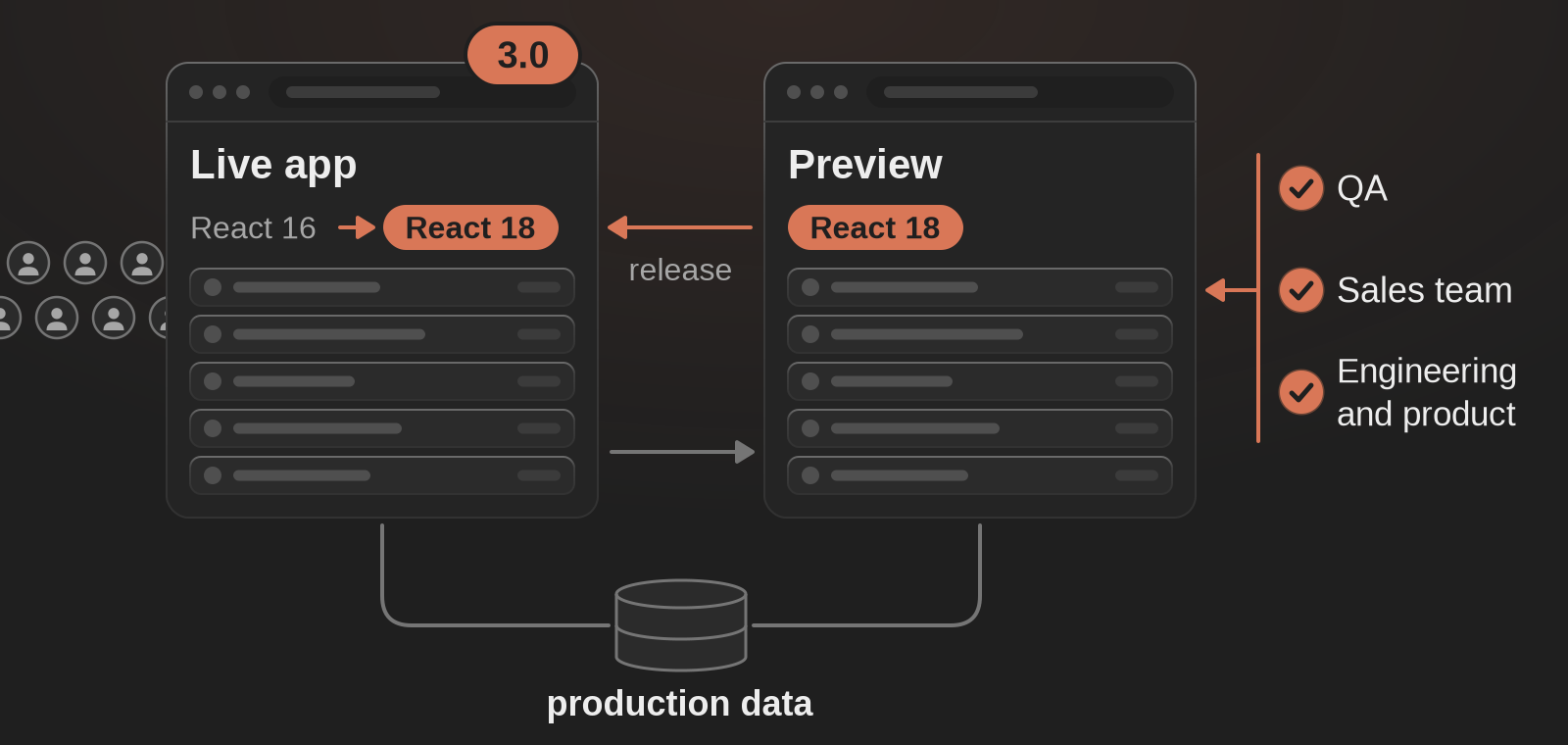
He led the migration across 216 files (React 18, Router v6 and 10+ libraries), alongside an app-wide Vite and dependency upgrade, with five weeks of preview deploys on production data so sales and support could validate early. The preview was tested in rounds by people doing their real work on it: QA, the sales team, then engineering and product, while each release of the live app was brought into it to keep the two in step. It shipped as a major release with zero downtime, and customers reported noticeably faster, lag-free performance.

How the migration went out: a preview on production data, three rounds of testing while the live app kept running, then a release with zero downtime.

Also Architecture and speed

  • He set the frontend’s architecture and quality bar as its top all-time contributor (about 40% of commits, 2022–2026): he moved the dialer’s lead-card state from React Context to Zustand/Jotai with team guidelines, enabled TypeScript strict mode behind a CI gate, added Sonar scans to CI, removed about 9,000 lines of dead code, and raised the web app to an A+ on Mozilla’s Observatory with a strict Content Security Policy.
  • He worked with the backend team to make reps’ call queue (the list of leads they’re about to call) 64% faster to load (1.04 s → 385 ms), reworking how the frontend fetched it.
Ask a follow-up…

Design inspired by the Claude app. Not affiliated with Anthropic.Zach Stone Portfolio
Rapptr Labs

Question: what did zach do at rapptr labs?

Read experience/rapptr-labs.md

role.yaml✓

company: Rapptr Labs           # product agency · New York, NY (Remote)
role:    Frontend Engineer
dates:   Aug 2022 – Jul 2024
client:  OPSIQ (now Sellfire)  # placed full-time, then hired him directly

He was a Frontend Engineer at a product agency, placed full-time with the client OPSIQ (now Sellfire), which hired him directly as Senior Frontend Engineer.

Question: what was the main thing he built there?

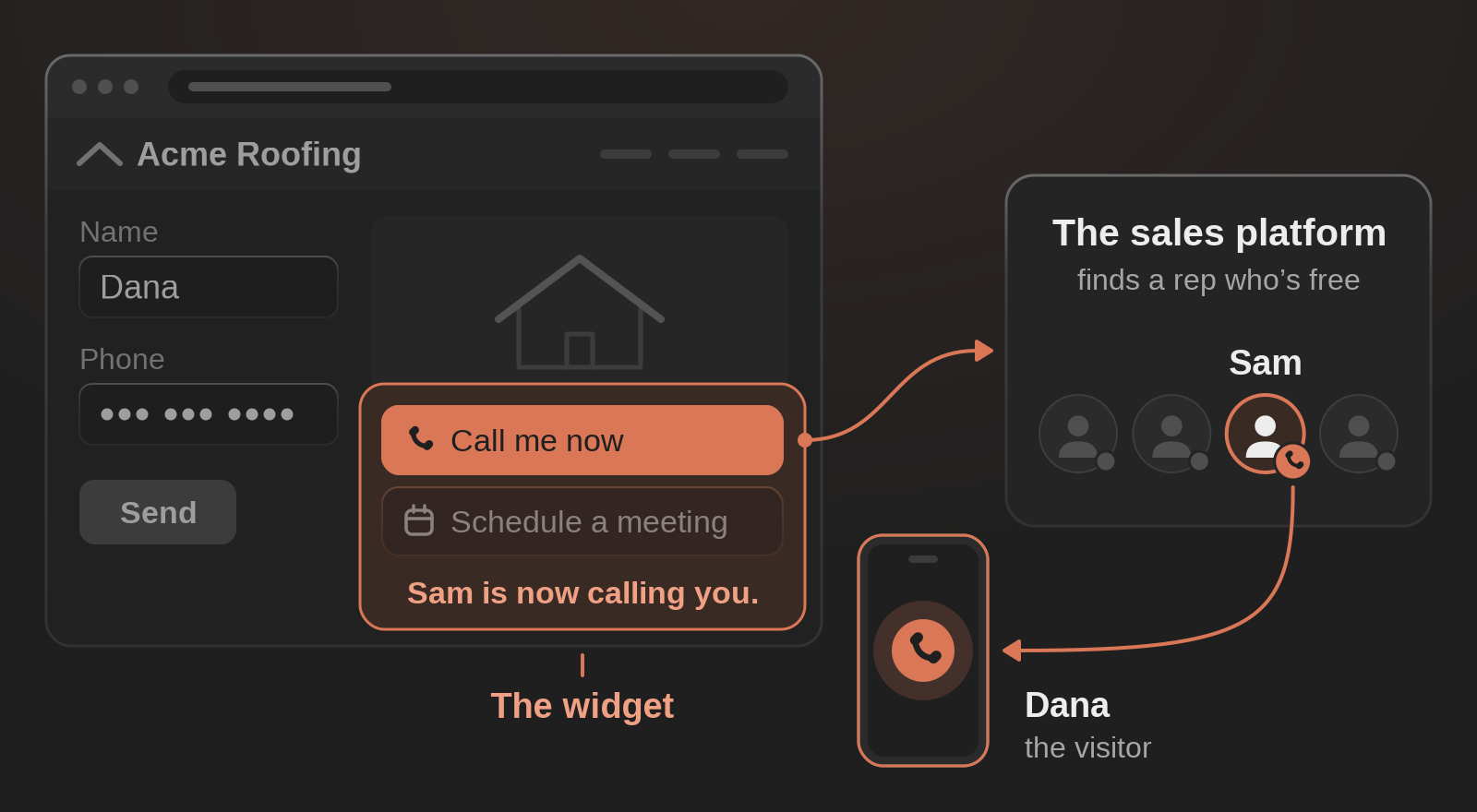
He built the Inbound Concierge embeddable widget and Sellfire Forms, and owned the widget’s technical design, cross-origin isolation and production rollout. Customers embed them on their own sites to turn form fills into instant calls or meetings.

The widget became a core product feature, reaching 136 live customer embeds, and he’s still its primary author (94% of commits since 2022). He also supported customers directly at launch alongside the CEO and founder.

A form on a customer’s site turns into a call from a rep who’s free.

Question: what happened between rapptr and sellfire?

From July to December 2024 he took a business Japanese course in Kobe. In January 2025 Sellfire hired him directly, back on the platform he’d been building.

From the agency to a direct hire
  1. Rapptr LabsFrontend Engineer, Aug 2022 – Jul 2024
  2. Business Japanese courseKobe, Jul – Dec 2024
  3. Sellfirehired directly, Jan 2025
Ask a follow-up…

Design inspired by the Claude app. Not affiliated with Anthropic.Zach Stone Portfolio
Career transition

Question: how’d zach get into software?

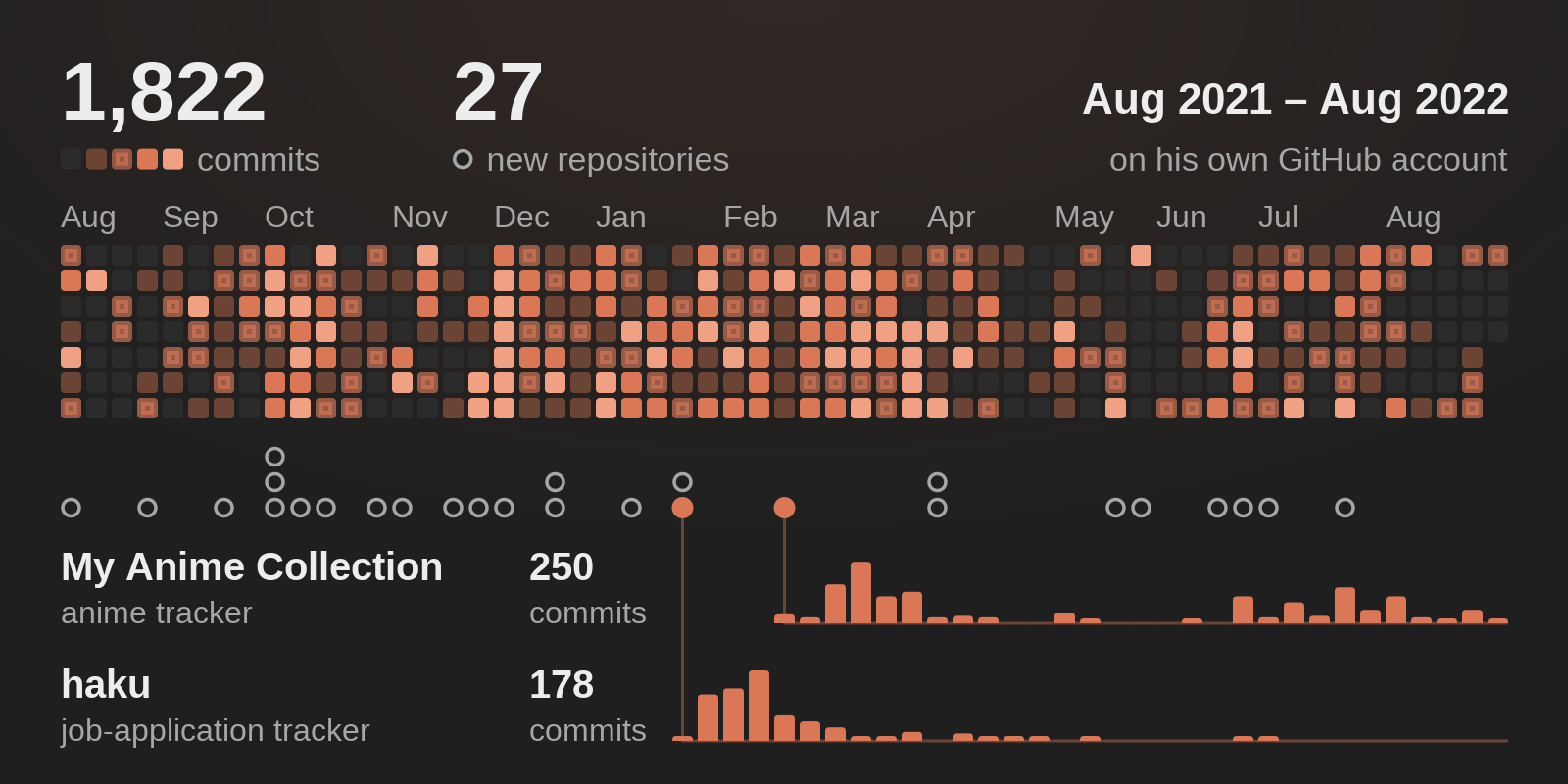
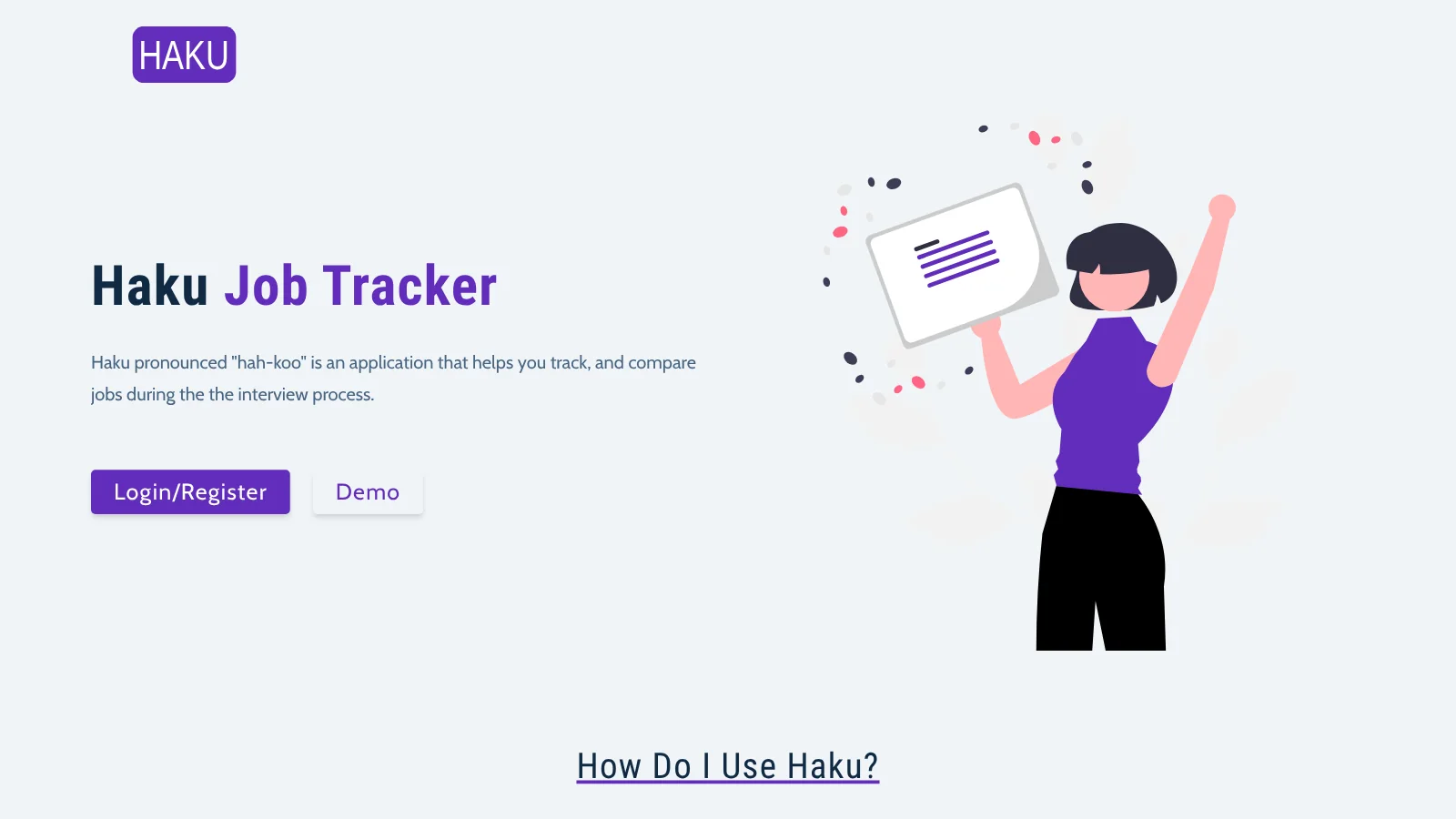
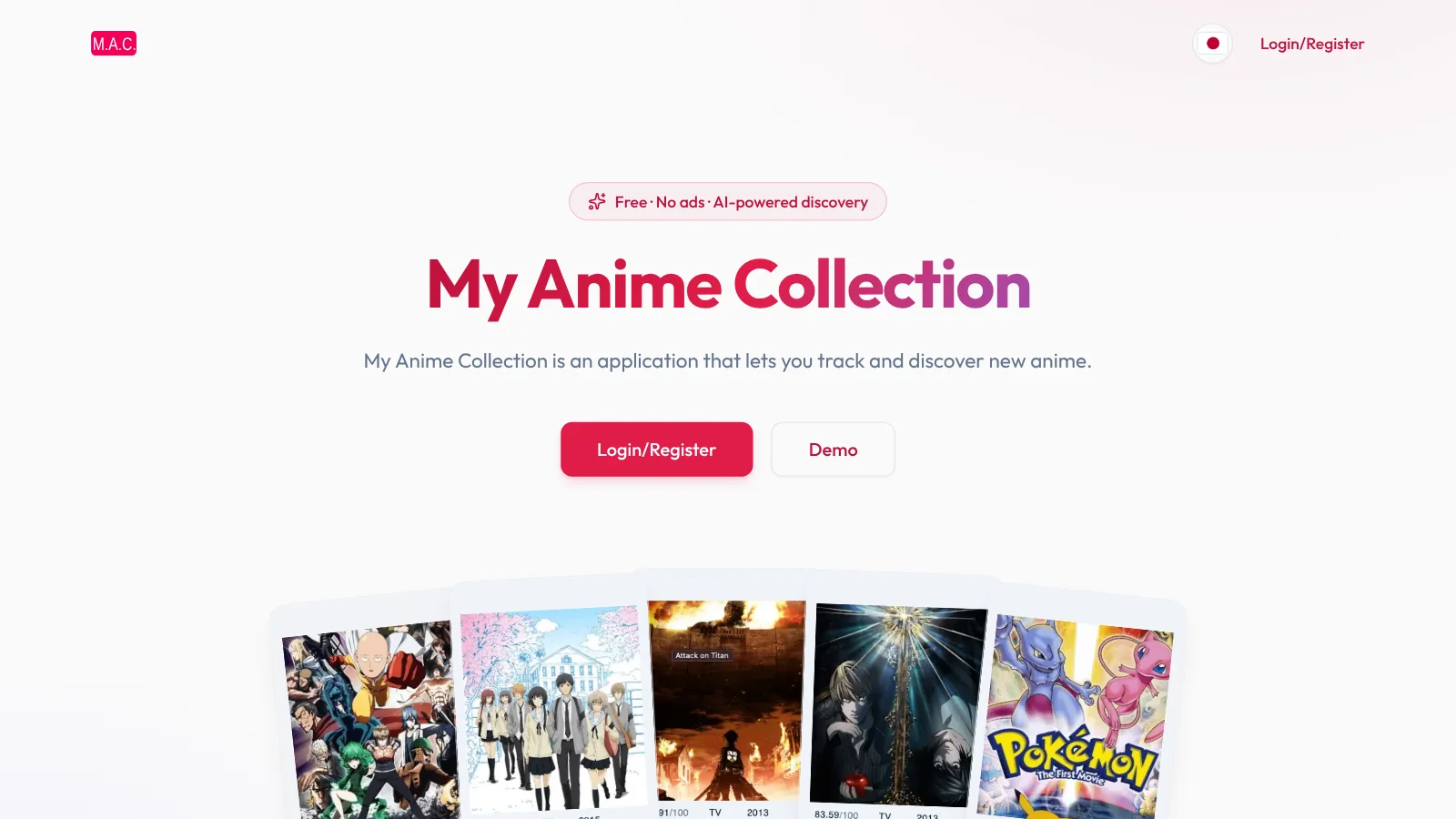
From August 2021 to August 2022, back in the US, he studied web development on his own (JavaScript/TypeScript, React, Node.js) and shipped full-stack side projects to production, including a job-application tracker (haku) and an anime tracker (My Anime Collection).

That year on his own GitHub account: 1,822 commits and 27 new repositories.
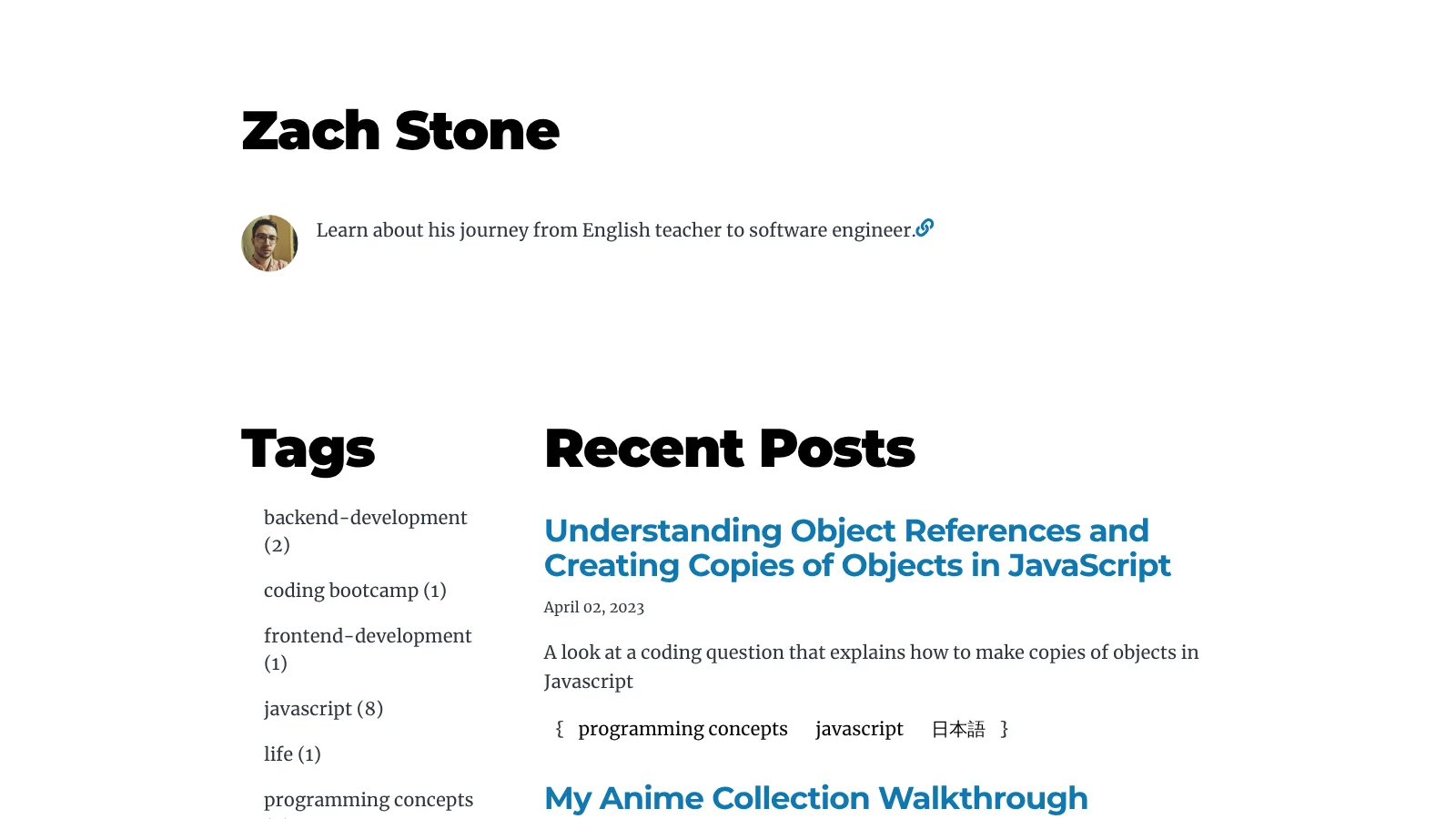
His blog’s front page. Under his name it reads “Learn about his journey from English teacher to software engineer”, beside a list of posts.
The blog he kept along the way.

In August 2022 Rapptr Labs hired him as a frontend engineer.

Ask a follow-up…

Design inspired by the Claude app. Not affiliated with Anthropic.Zach Stone Portfolio
Interac

Question: what was zach doing before tech?

From 2018 to 2021 he was an Assistant Language Teacher with Interac, an English education agency that places instructors in Japanese public schools. He taught English in Kitakata, Fukushima.

A map of Japan with Kitakata marked, in the north of the main island.
Kitakata, Fukushima, where he taught.

His life in Japan started in Kitakata, and so did the Japanese study that led to JLPT N1.

Ask a follow-up…

Design inspired by the Claude app. Not affiliated with Anthropic.Zach Stone Portfolio
Business Japanese Practice

Private beta

Question: what’s business japanese practice?

Business Japanese Practice is an adaptive app Zach built for practising the BJT Business Japanese Proficiency Test. It has been in private beta since 2026, on the web and Android, and has more than 240 original questions across all nine of the test’s question types, with more added every day. In November 2026 he sat the BJT himself and scored J2.

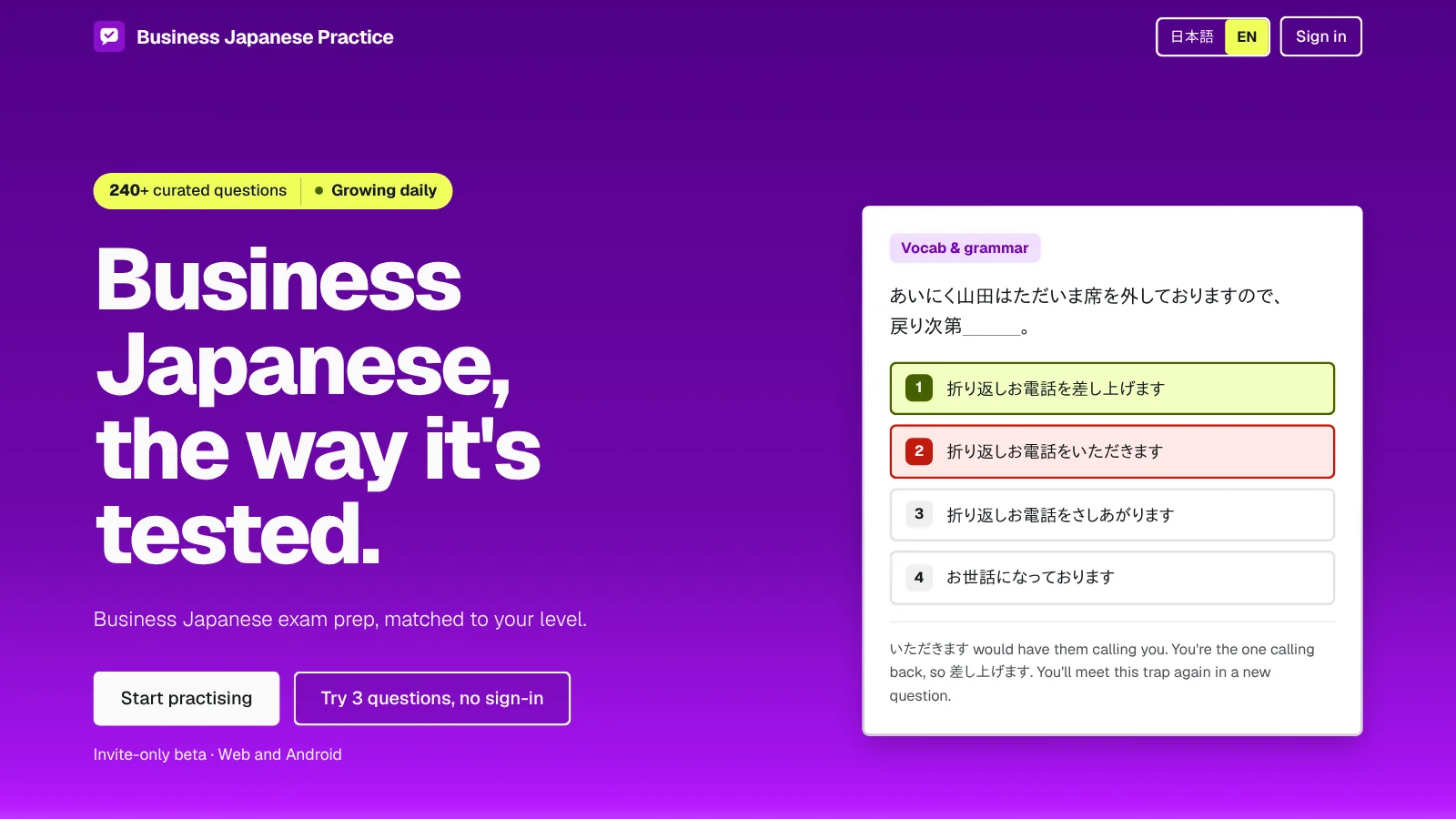
The Business Japanese Practice home page. Its headline reads “Business Japanese, the way it’s tested.” Beside it is a multiple-choice question in Japanese, with the right answer marked, a wrong one marked, and a note explaining the mistake.
The site’s home page: a practice question, and the explanation of the trap in it.

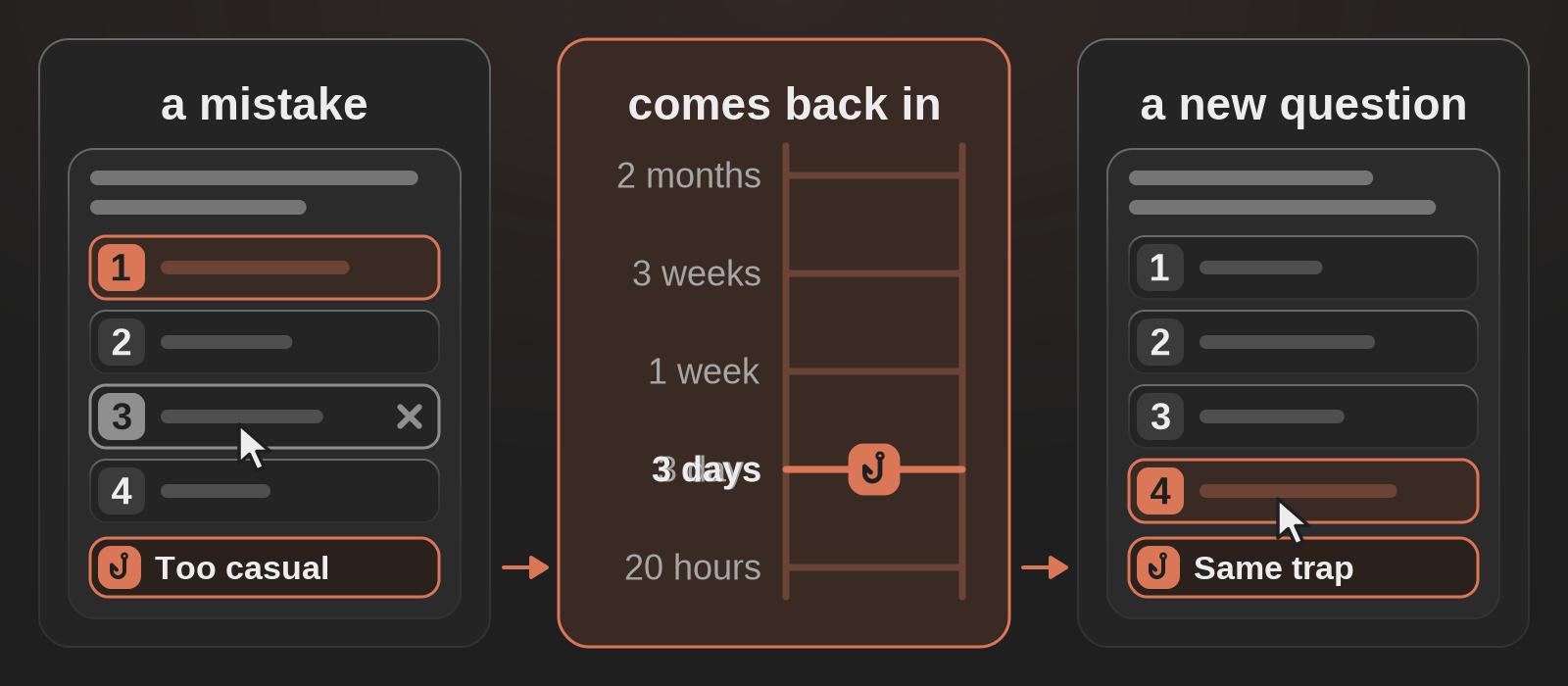
After each answer, the app explains why every option is right or wrong. A trap that catches a learner comes back the next day in a new question, not the same one. Each right answer makes it wait longer (20 hours, 3 days, 1 week, 3 weeks, then 2 months), and a wrong one sends it back to the start.

A trap that caught you comes back in a new question, and waits longer each time you get it right.

Question: how does it work?

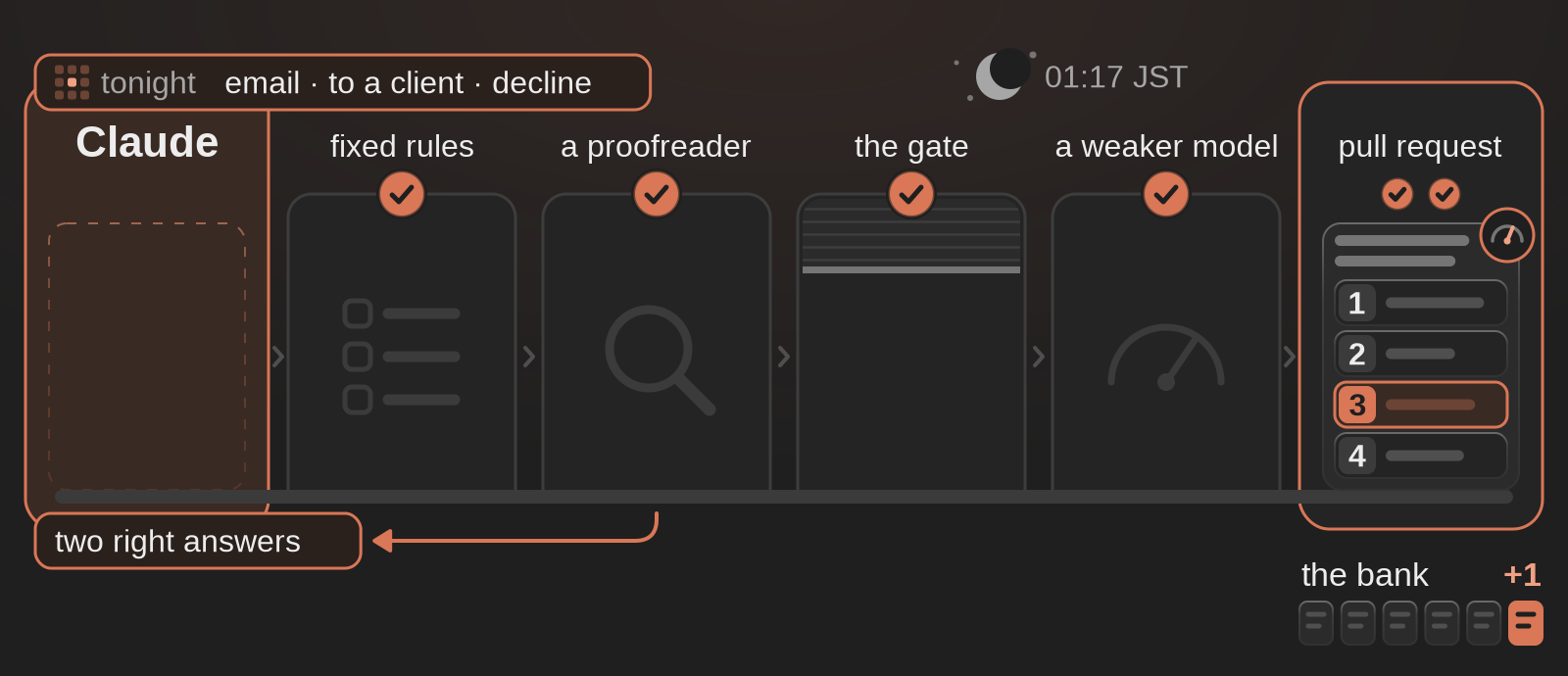
A nightly pipeline has Claude write original questions in the style of the BJT, which other models and fixed rules check before a pull request publishes them. A draft that fails a check is thrown away, and the reason it failed goes to the next draft.

One question’s night: the first draft is sent back with its reason, and the second passes every check into the bank.

stack.yaml✓

language: TypeScript
ai:       Claude API
backend:  Cloudflare Workers, D1 and R2
app:      Expo
Try three questionsNo sign-in · Live demobusinessjapanesepractice.comWebsite
Ask a follow-up…

Design inspired by the Claude app. Not affiliated with Anthropic.Zach Stone Portfolio
Portfolio template

Open source

Question: what’s the portfolio template?

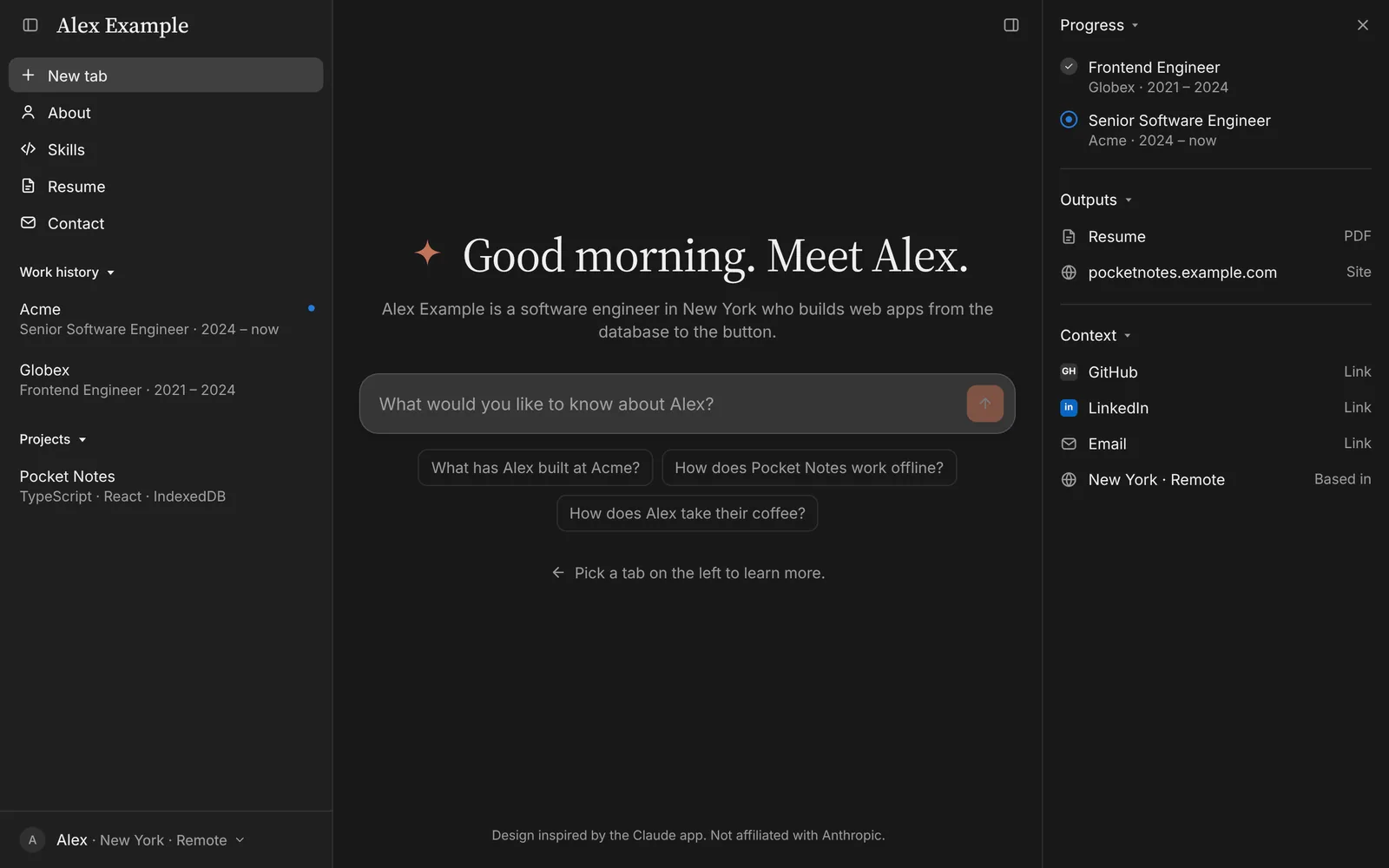
The portfolio template is the code this site runs on. Zach built his portfolio to look and work like the Claude app, then published the code on GitHub as an MIT-licensed template. Everything about him is in one config file, so anyone can put in their own details and get the same site.

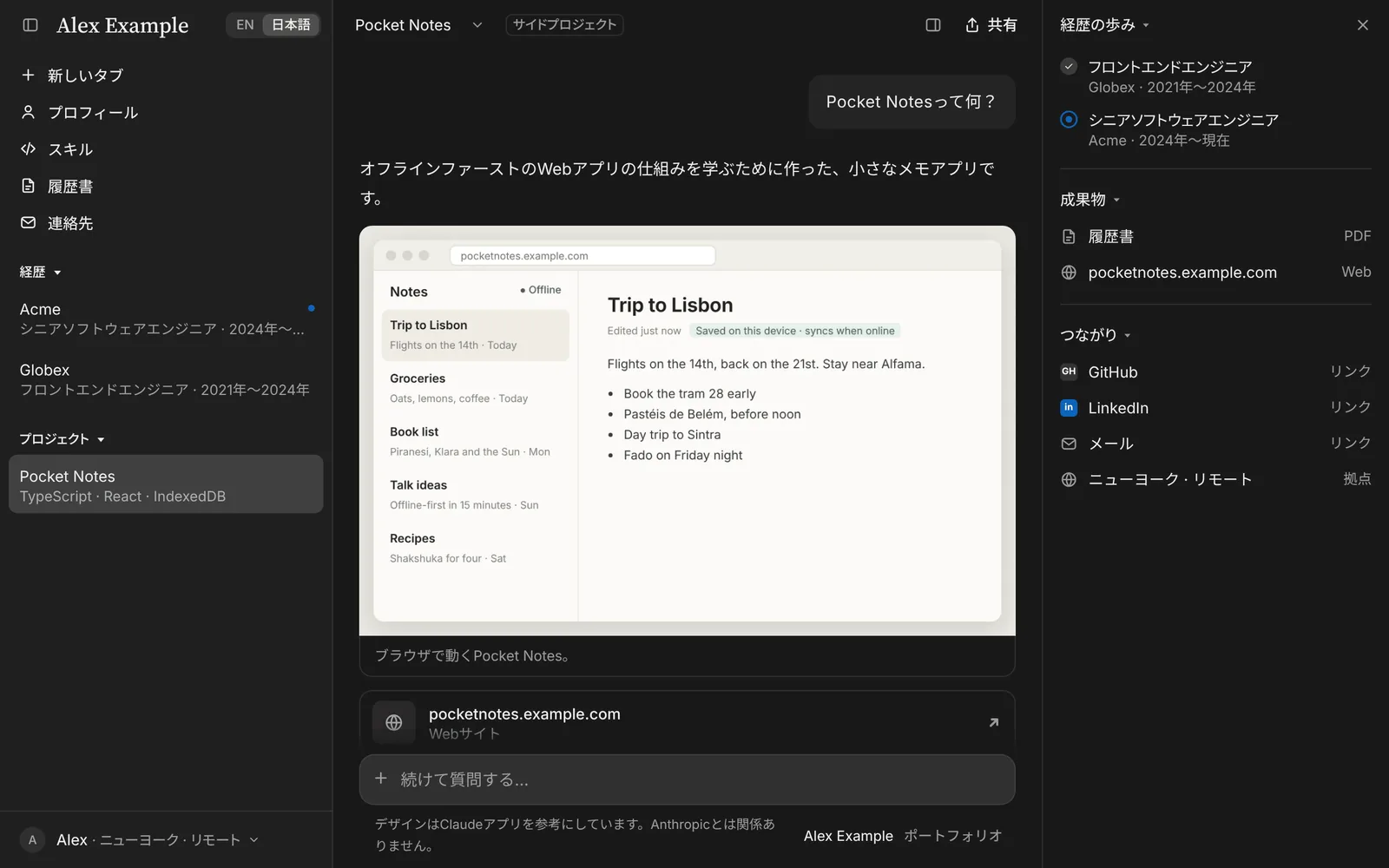
The template’s sample site, laid out like this one: a sidebar of tabs, the greeting “Good morning. Meet Alex.” over a box to type a question in, and a details panel. The person, Alex Example, is made up.
The template’s sample site, with a made-up person.

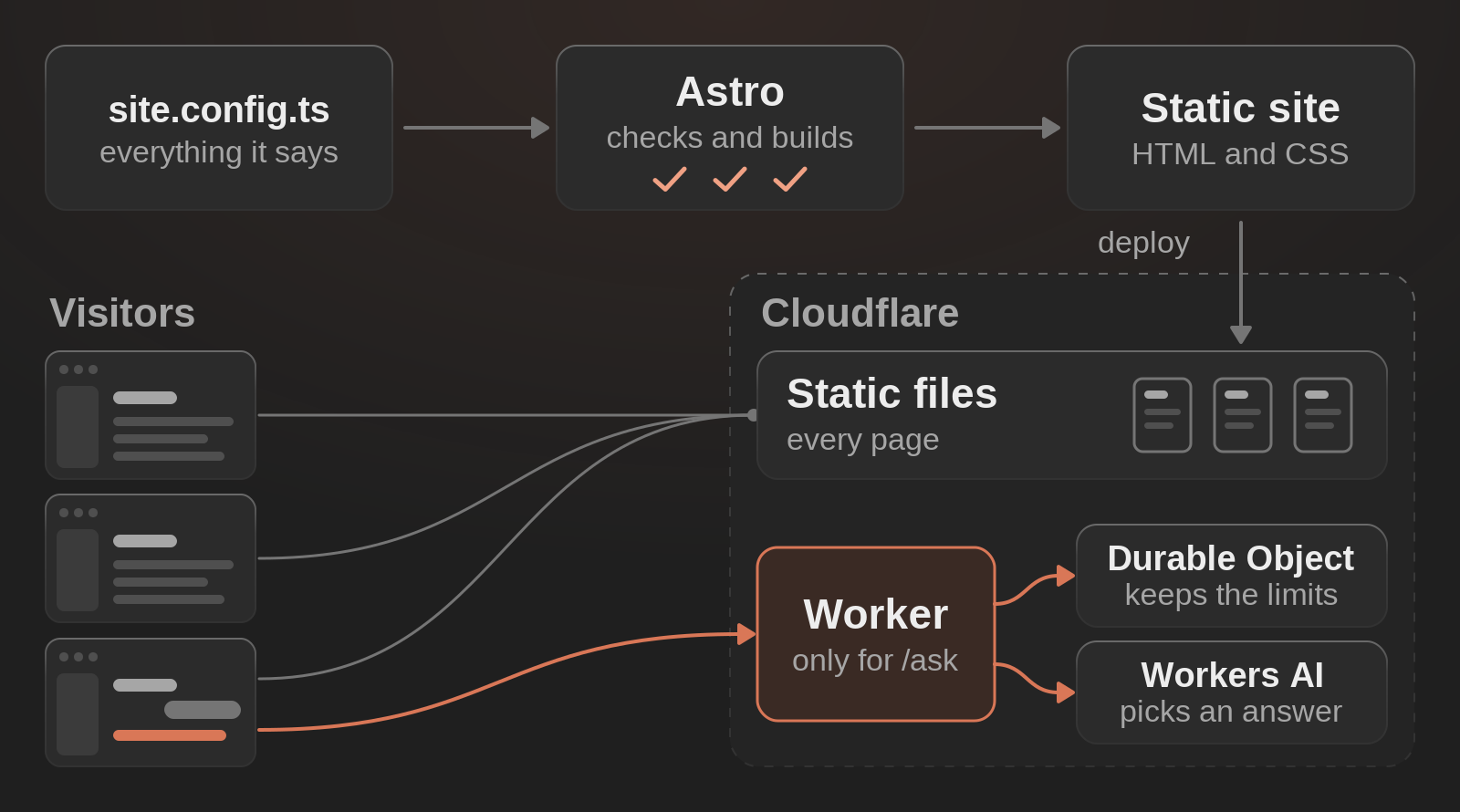
Everything the site says, in every language, is in one typed config file. Astro builds that file into static HTML and CSS, which work with JavaScript turned off. A small Cloudflare Worker handles typed questions: an AI model picks which of Zach’s answers fits and replies in its own words, and the page shows the lines of the answer that reply was written from.

How the build and the Cloudflare side fit together.

This site and the template run the same code. Each change made here is sent to the template as a pull request, after a check that nothing in it mentions Zach.

claude-app-portfolio-templateTemplate · GitHub · MIT

Question: how do the pages get built?

Astro builds the pages ahead of time. The build checks the config first, and stops with a message saying what to fix if a link points at a tab that doesn’t exist or a picture has no description. It then writes one page for each language, with every tab already in it.

The browser gets HTML, CSS and one small script, with no framework code. A tab reads the same to a search engine, a screen reader or a visitor with JavaScript off.

From an edit to the live site
  1. Editone config file
  2. Buildthe config is checked first
  3. Testin a real browser
  4. Deployon a merge to main

Every change is tested in Chromium against the built pages, under the same security policy as the live site. That policy lets the browser load only the site’s own files, plus Cloudflare’s analytics script and a frame for a document the site’s viewer opens.

Question: how does it handle more than one language?

Each language is one entry in the same config file, with the same tabs under the same ids. The first language is the main one, at /. Each other language gets its own page and a switch in the sidebar. On this site, English is at / and Japanese at /ja/.

The build stops if one language has a tab or a question that another lacks, so a translation can’t fall behind without someone noticing.

The sample site’s Japanese page: the same sidebar and tabs with every label in Japanese, open on a project called Pocket Notes.
The template’s sample site in Japanese, at /ja/.

Japanese needs one extra step: a full Japanese font is several megabytes, so a script cuts Noto Sans JP down to the characters the site uses.

Question: what happens when i type a question?

A typed question goes to Ask, the site’s only server code. Ask is a Cloudflare Worker that runs for /ask and nothing else.

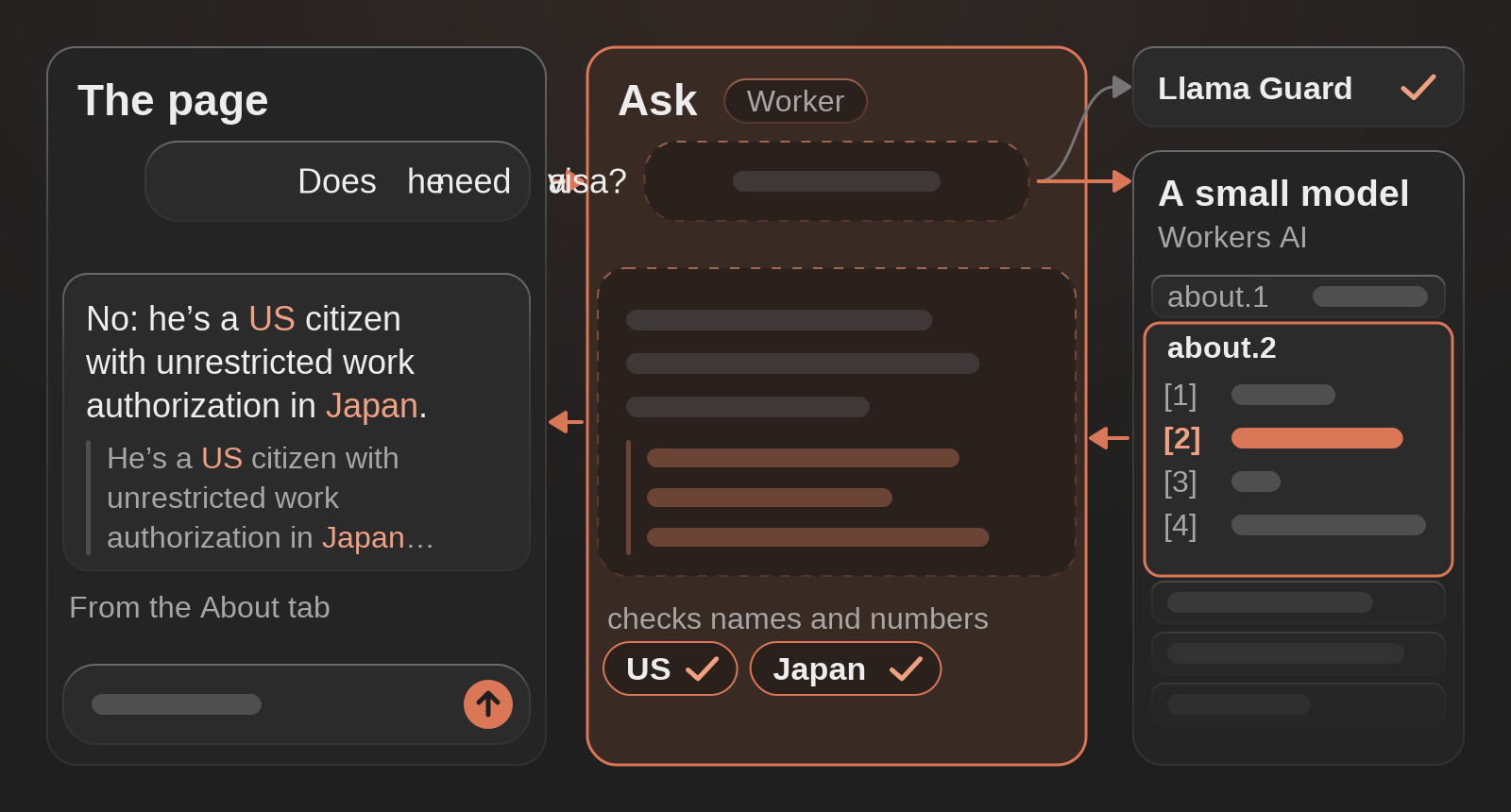
The Worker gives the question to a small model on Workers AI, along with every answer on the site, each line numbered. The model first notes what the visitor wants to know and where the site says it. It then returns the id of that answer and the numbers of the one or two lines that answer most directly. From those lines the model answers the question in its own words, in a sentence or two. The Worker checks every name and number in that reply against the lines: a reply that names something the lines don’t is not shown, and the lines are quoted instead, or the whole answer is shown. The page shows the reply with the lines it was written from quoted under it, so a visitor can see what the site itself says. The model’s note goes to the log.

One typed question, from the box to the reply.

A second model, Llama Guard, reads each question at the same time. An abusive question blocks that visitor from Ask for a day. When no answer fits, the reply gives ways to send Zach the question instead.

Question: where do durable objects come in?

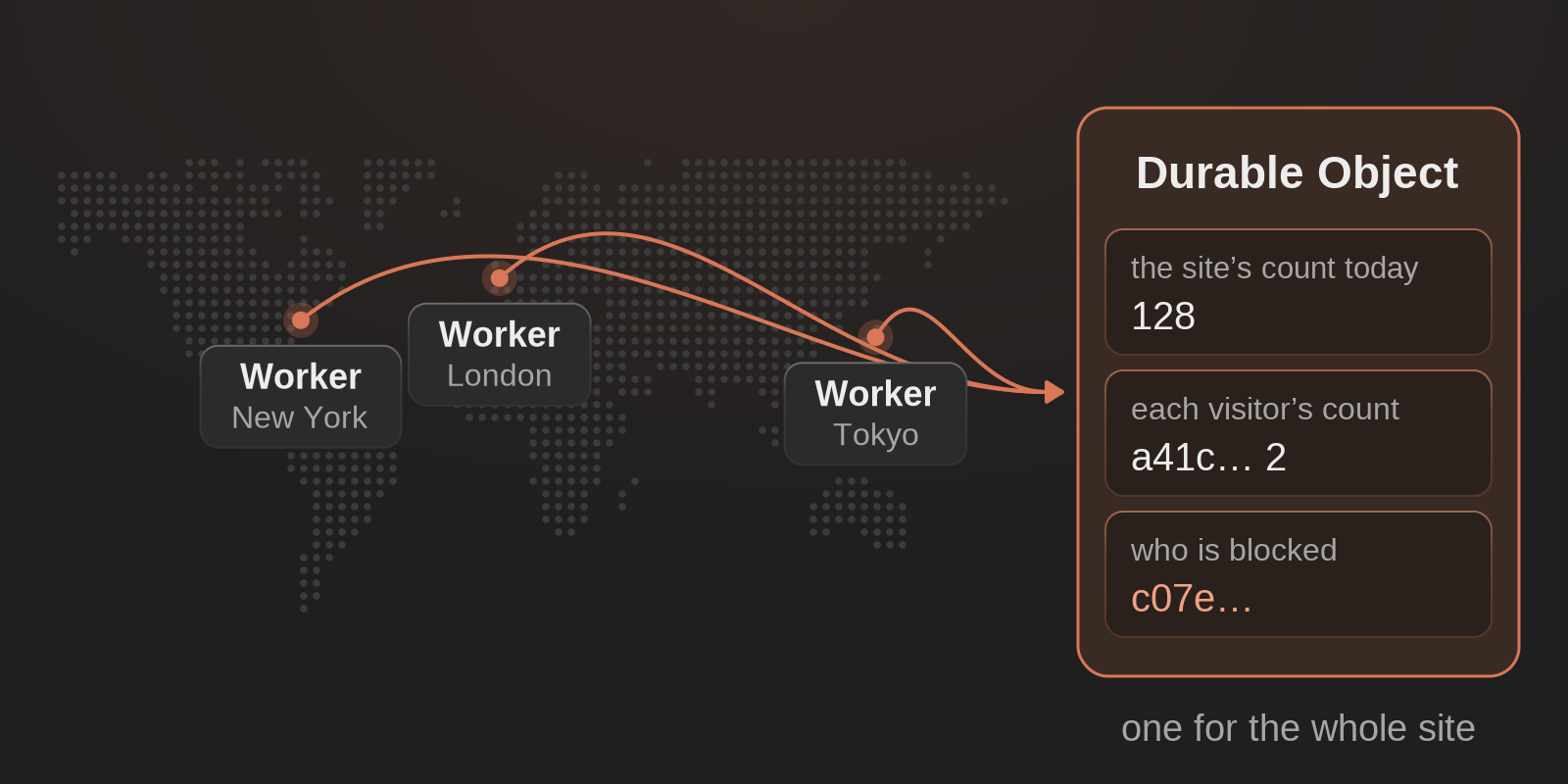
A Durable Object keeps count of Ask’s daily limits. Ask runs on Cloudflare’s free plan, so it has a daily limit for each visitor and one for the whole site. A Worker runs in whichever Cloudflare location is nearest the visitor, and those copies share no memory, so no single copy knows the day’s total.

The Durable Object is one small object with its own storage, and every copy of the Worker asks it before a question reaches the model. It handles one request at a time, so its counts are exact. It identifies visitors only by a salted hash of their address.

Workers in different locations all ask the same Durable Object.

If the Durable Object or the model can’t be reached, the question isn’t sent to the model, and the visitor is shown how to contact Zach instead.

Question: what stops someone abusing it?

The site’s protections cover its pages, the questions visitors type, what those questions cost, and the code.

The pages

  • A security policy lets the browser load only the site’s own files and run no inline code. The two things from another site are Cloudflare’s analytics script and a document a visitor opens in the viewer, shown in a frame that can’t reach the page around it. The site’s script can’t turn text into markup.
  • The site uses no cookies. Cloudflare Web Analytics counts visits and measures page speed without cookies, and without following visitors to other sites. Beyond that, the site loads nothing from another site until a visitor opens a resume in the viewer, which loads it from Google Docs. Chats are stored only in the visitor’s own browser.
  • The build rejects any link that isn’t a web, email or in-page address.

The questions

  • The model names one of the site’s answers and the numbers of its lines, then answers in its own words from those lines. The Worker checks every name and number in the reply against the lines, and the page shows the reply as plain text with those lines quoted under it. If the check fails, the lines are quoted or the whole answer is shown instead.
  • Two models check each question. The model that picks the answer flags rude questions and attempts to give it other instructions, and Llama Guard reads every question as well. A flagged question blocks that visitor for a day.
  • Ask accepts only a short JSON message. Any other request is refused before a model is called.
  • A visitor is counted by a salted hash of their address, and the address itself is never stored or logged. Questions are logged for a few days, without the address, so Zach can read what people ask.

The cost

  • Each visitor has a limit per minute and a limit per day. The whole site has a daily limit on questions and a daily budget for what they cost, counted from what each model call used.
  • If a rate limiter, the Durable Object or a model can’t be reached, no model is called and the visitor is shown how to contact Zach.
  • The pages are static files that never run the Worker. On Cloudflare’s free plan, anything past a limit is refused instead of billed.

The code

  • Formatting, types, the build, the HTML, unit tests and browser checks run on every pull request.
  • Before shared code is copied to the public template, a check refuses any file that mentions Zach.
Ask a follow-up…

Design inspired by the Claude app. Not affiliated with Anthropic.Zach Stone Portfolio
Skills

Question: what’s zach’s stack?

His stack is full-stack TypeScript, Cloudflare Workers and LLM/MCP integrations, and he works in Japanese at JLPT N1 level.

skills.yaml✓

languages:      TypeScript, JavaScript, HTML, CSS
frontend:       React, Next.js, Zustand / Jotai, Apollo Client,
                Tailwind CSS, Vite, Chrome extensions
infrastructure: Cloudflare Workers (D1, KV, R2, Hyperdrive, Access), Node.js,
                PostgreSQL (Prisma), GraphQL, REST / webhooks, WebSockets,
                Terraform, Vercel, Netlify, GitHub Actions
ai:             Claude API, Agent SDK, MCP servers (OAuth),
                Claude Code skills & plugins,
                multi-agent review pipelines
tooling:        Sentry, PagerDuty, New Relic, LaunchDarkly, Mixpanel,
                LogRocket, Playwright, Twilio, LiveKit / WebRTC,
                HeyReach, HubSpot

Question: how good is his japanese?

He passed JLPT N2 and then N1 in 2025, the highest level, and has passed levels 10, 9 and 8 of the Kanji Kentei (the Japan Kanji Aptitude Test). In November 2026 he scored J2 on the BJT Business Japanese Proficiency Test. He works in English and Japanese.

Three flights of steps. The JLPT’s five steps climb from N5 to N1: N2 and N1 are lit and ticked, with a marker and a flag on N1, “the highest level”. The BJT’s six steps climb from J5 to J1+: J2 is lit and ticked, with a marker on it. The Kanji Kentei’s steps climb from 10 to 1: 10, 9 and 8 are lit and ticked, with a marker on 8. The other steps are dim. It moves by itself: the marker comes to N2 and hops up to N1, where the flag goes up; a marker comes to J2; then a marker comes to 10 and hops to 9 and to 8. It rests like that for a while, and starts again.
JLPT N2 and N1 passed; BJT J2; Kanji Kentei levels 10, 9 and 8.

Question: is he frontend or backend?

He works on both. He started as a frontend engineer in 2022, and has been in a full-stack role at Sellfire since April 2026: React and TypeScript in the web app, and the Cloudflare Workers services he has built around it.

Question: does he do ci/cd?

Yes, CI/CD is part of his day-to-day work. At Sellfire he enabled TypeScript strict mode behind a CI gate, added Sonar scans to CI, built an hourly pipeline that AI-reviews open pull requests, and co-owns the nightly production deploys and reverts. GitHub Actions is in his stack, and runs this site’s checks on every pull request.

Question: what does his github look like?

Every week of his on GitHub since he started, with each public repo he made along the way, as of the site’s last build. Most of his work is in his employers’ private repos.

Contributions
14,999
Since
2021
Longest streak
77 daysSep 11 – Nov 26, 2023
Busiest day
222Nov 28, 2026
Includes 13,707 contributions to private repos, in every count and in the calendar. The repos stay private.
Contributions, every week since 2021 14,999
2022
Rapptr Labs, August 20222,040
2023
2,086
2025
Sellfire, January 20252,193

The languages in his public repos:

Languages in public repos
TypeScript
89%
JavaScript
4%
CSS
4%
Astro
2%
Python
0.6%
Other
0.3%
Ask a follow-up…

Design inspired by the Claude app. Not affiliated with Anthropic.Zach Stone Portfolio
Where he’s from

Question: where’s zach from?

He’s originally from Philadelphia. These days he’s based in Fukushima, Japan, and works remotely.

He fell in love with Japan in 2018, teaching English in Kitakata, Fukushima, with Interac. Fukushima is still his favorite place.

Ask a follow-up…

Design inspired by the Claude app. Not affiliated with Anthropic.Zach Stone Portfolio
For fun

Question: what does he do for fun?

  • He trains in kickboxing and MMA.
  • He studied jazz guitar, and means to pick it back up.
  • He’s slowly collecting every Studio Ghibli film on Blu-ray.
Ask a follow-up…

Design inspired by the Claude app. Not affiliated with Anthropic.Zach Stone Portfolio
Favorites

Question: what’s his favorite movie? anime?

Movie: The Boy and the Heron. Anime: JoJo’s Bizarre Adventure.

Ask a follow-up…

Design inspired by the Claude app. Not affiliated with Anthropic.Zach Stone Portfolio
Food

Question: what’s his favorite food?

Kitakata ramen, of course. For a snack, Mamador is a top pick, and he can never say no to anything with anko butter.

Ask a follow-up…

Design inspired by the Claude app. Not affiliated with Anthropic.Zach Stone Portfolio

Where he’s lived

Question: where has he lived in japan?

He’s lived in Kitakata, Kobe and Koriyama. Of the places he’s visited, he loves Osaka and Hokkaido, but ask him where to go and he’ll say Fukushima.

Ask a follow-up…

Design inspired by the Claude app. Not affiliated with Anthropic.Zach Stone Portfolio
Kickboxing

Question: has he ever had a fight?

Not yet. He trains in kickboxing and MMA, but hasn’t competed: he’d rather not fight in contacts, and doesn’t feel quite ready.

Ask a follow-up…

Design inspired by the Claude app. Not affiliated with Anthropic.Zach Stone Portfolio
Mornings

Question: is he a morning person?

Yes, and he can’t start the day without coffee.

Ask a follow-up…

Design inspired by the Claude app. Not affiliated with Anthropic.Zach Stone Portfolio
Other interests

Question: what else is he into?

Cybersecurity. He’s taken a few courses and keeps working at getting better.

Ask a follow-up…

Design inspired by the Claude app. Not affiliated with Anthropic.Zach Stone Portfolio
Other tools he’s used

Question: what else has he worked with?

At work, beyond what the Skills tab lists, he has built interfaces with styled-components, React Router, AG Grid, FullCalendar, react-big-calendar and react-select, bundled with Parcel, webpack and Create React App, and used Ably for realtime updates.

At work he has also built services with Hono, Zod and Apollo Server, on AWS Lambda and API Gateway and on Cloudflare Durable Objects, Cron Triggers, Browser Rendering and Turnstile.

At work he has also used Vitest, ESLint, SonarQube, Pendo, pnpm, Yarn, Figma, Jira, Notion, Slack webhooks, Salesforce web-to-lead forms and Cloudinary.

On personal projects he has built and shipped with Vue (with Vuex and Vue Router), Gatsby, Astro, Redux Toolkit, TanStack Query, Material UI, Sass, Bootstrap, three.js and Framer Motion.

On personal projects he has built backends with Express, MongoDB and Mongoose, Supabase, Firebase, Sanity and SQLite, with JWT auth, Google sign-in, Stripe payments and Resend email, and has written Python (FastAPI, pytest) and used Docker.

He has deployed personal projects to Heroku, Render, Netlify, Vercel, GitHub Pages and Cloudflare.

On personal projects he has also built a mobile app with React Native and Expo (RevenueCat, Better Auth) and an app with Capacitor, used the OpenAI API, xAI Grok and the LINE Messaging API, and tried Swift, Kotlin, Preact, jQuery and EJS in smaller projects.

The AI tools he uses include Claude Code, Cursor, Codex, ChatGPT, Gemini and Muse Spark.

Ask a follow-up…

Design inspired by the Claude app. Not affiliated with Anthropic.Zach Stone Portfolio